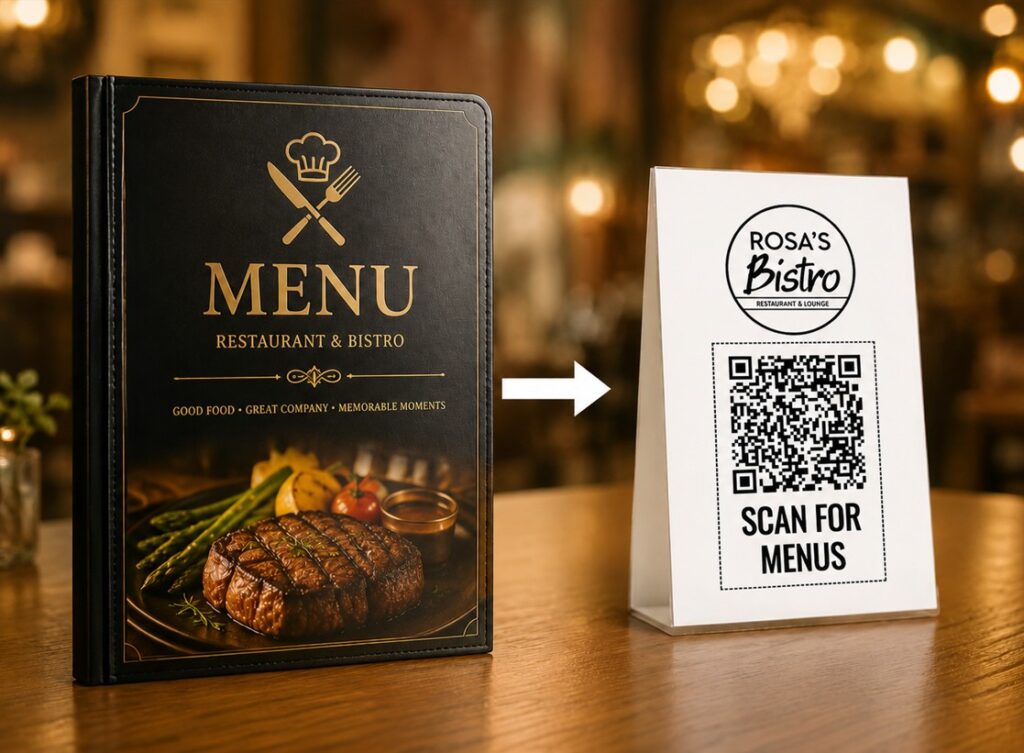
Many restaurant owners focus on hiring great chefs, improving service, or investing in marketing. Yet one of the most powerful sales tools in the business often receives the least attention: the menu.
Your menu isn’t just a list of dishes. It’s a silent salesperson that influences every ordering decision your guests make.
A well-designed menu can increase your average check, improve profitability, and guide customers toward your most profitable items.
A poorly designed menu can do exactly the opposite.
Before you redesign your menu or invest in new marketing campaigns, check whether you’re making any of these seven common mistakes.
Quick Self-Assessment
How many of these sound familiar?
☐ Your menu has too many items.
☐ Guests often ask for recommendations.
☐ You price dishes based on competitors rather than costs.
☐ Your signature dishes don’t stand out.
☐ Menu photos look inconsistent or outdated.
☐ You rarely suggest add-ons or upgrades.
☐ You haven’t reviewed your menu performance in months.
If you checked three or more boxes, your menu may be reducing profits without you realizing it.
1. Offering Too Many Choices
Many restaurant owners believe that more choices attract more customers.
Research in consumer psychology suggests the opposite.
When guests face dozens of similar options, they experience choice overload. Instead of feeling empowered, they become uncertain, take longer to decide, and often choose the safest or cheapest option.
Longer ordering times can also slow table turnover during busy service periods.
What to do instead
Rather than expanding your menu, simplify it.
Remove dishes that rarely sell, eliminate duplicate items, and focus on your strongest performers.
A smaller menu is often easier to manage, reduces food waste, and creates a better guest experience.
2. Your Best Dishes Aren’t Easy to Find
Every restaurant has dishes that deliver exceptional value:
- High profit margins
- Strong customer satisfaction
- Consistent quality
Yet many menus hide these dishes among dozens of others.
Guests shouldn’t have to search for what makes your restaurant special.
Highlight signature items with subtle visual cues, chef recommendations, or “Guest Favorites” sections to naturally guide purchasing decisions.
3. Pricing Based on Competitors Instead of Profitability
Matching the restaurant down the street may seem like a safe strategy.
Unfortunately, their costs are not your costs.
Successful pricing should consider:
- Food cost
- Labor
- Operating expenses
- Local market expectations
- Desired profit margin
Your menu prices should support a sustainable business—not simply follow competitors.
4. Poor Food Photography Hurts Sales
People eat with their eyes first.
Whether guests are viewing a printed menu or scanning a QR code, visuals strongly influence purchasing decisions.
Dark, inconsistent, or outdated photos reduce perceived quality.
Professional, consistent photography helps guests imagine the experience before taking the first bite.
Even a small improvement in presentation can increase sales of featured dishes.
5. Descriptions That Don’t Sell
Compare these two menu descriptions:
Grilled Chicken Sandwich
vs.
Chargrilled free-range chicken, smoked cheddar, roasted garlic aioli, crisp lettuce, and vine-ripened tomatoes served on a toasted brioche bun.
Both describe the same dish.
Only one creates anticipation.
Effective menu descriptions help guests understand flavor, quality, and value without becoming overly long or exaggerated.
6. Missing Opportunities to Increase Average Check
Every order represents an opportunity to improve revenue without acquiring a new customer.
Simple suggestions like:
- Add avocado
- Upgrade to truffle fries
- Make it a combo
- Add dessert
- Pair with wine
can significantly increase average ticket size.
The best upselling feels helpful—not pushy.
Guests appreciate recommendations that genuinely improve their meal.
7. Never Updating Your Menu Using Sales Data
Many restaurants redesign their menu once every few years.
Successful restaurants treat menu optimization as an ongoing process.
Ask yourself:
- Which dishes generate the highest profit?
- Which items rarely sell?
- Which categories perform best?
- Which menu items deserve better placement?
- What are guests ordering together?
Without data, menu decisions become guesswork.
With regular reporting, your menu becomes one of your most effective profit-generating tools.
A Five-Minute Menu Health Check
Before closing this article, answer these questions honestly.
- Is your menu easy to scan in under one minute?
- Are your highest-margin items clearly visible?
- Do guests know what makes your restaurant unique?
- Do your descriptions help guests make confident choices?
- Are you encouraging add-ons and upgrades?
- Have you reviewed your menu performance in the past 90 days?
If you answered “No” to several of these questions, your menu probably has room for improvement.
Final Thoughts
Your menu is much more than a list of food and drink.
It’s one of the few parts of your restaurant that influences every guest, every order, and every day.
Small improvements—removing low-performing dishes, improving descriptions, highlighting profitable items, and reviewing menu data regularly—can have a meaningful impact on revenue without increasing marketing spend.
Whether you use printed menus or digital QR menus, treating your menu as a living sales tool rather than a static document is one of the smartest investments you can make in your restaurant’s long-term profitability.